Rental lawn inspection checklist for Queensland tenants
Get the yard ready for a routine inspection or handover with a simple plan: check what you agreed to maintain, make the outdoor area safe and tidy, and keep a clear record of anything that needs attention.
QuickMow · 28 November 2026
Rental lawn inspection checklist for Queensland tenants

Start with the agreement and condition report
Before you book a mower or start pulling weeds, read the lawn and garden section of your tenancy agreement. The Queensland Residential Tenancies Authority explains that routine tasks such as mowing and edging are generally a tenant’s responsibility, but the agreement should say what applies. Major pruning or specialist work is different. If responsibility is unclear, ask your property manager in writing rather than guessing.
Compare the yard with your entry condition report and photos. Walk the front and back lawns, side access and any verge the agreement covers. Note existing bare patches, broken sprinklers or unsafe branches separately from routine mowing. For a vacate inspection, use the exit condition report to document the yard’s condition.
Example: The lawn is due for a trim, but a branch is hanging over the gate. Report the branch and leave it alone; only arrange the routine mow if the yard can be accessed safely.
Prepare the yard before you mow
Choose a day with enough time to reschedule if the grass is wet. Clear hoses, toys, loose stones and pet waste, and move furniture out of the way. Secure pets somewhere separate from the work. If someone else is mowing, agree on access privately and make sure the gate can be left secure afterwards.
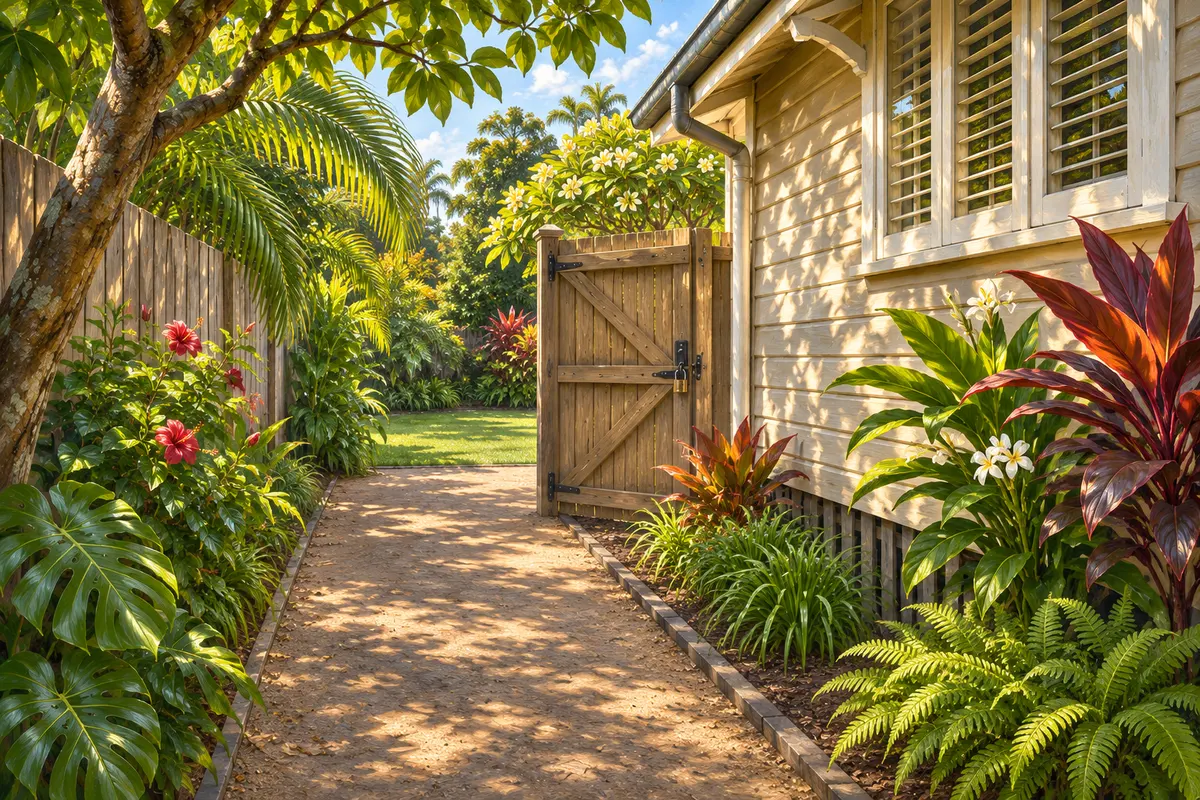
Mow the accessible front and back lawns where required, then tidy the agreed edges. Avoid cutting the lawn unusually short to make it look neat; a tidy, even finish is the goal. If growth is heavy or the ground is too wet, tell your property manager early if timing may be affected. Collect thick clumps and sweep paths, then check your council’s rules before putting clippings in a garden bin.
Do one final walk-through
Walk the same route you took at the start. Look for loose clippings on stairs or paths, forgotten tools and an unsecured gate. Take dated overview photos from similar angles to the entry photos if they’re available. Keep those images for your records or share them privately where needed; avoid including people, access codes or identifying details unnecessarily.
Routine inspection and handover requirements can differ. This checklist is practical preparation, not a statement of what your agreement requires or a guarantee of a particular inspection outcome.
Use this countdown for a routine inspection or vacate
- Five to seven days before: Check the inspection date, read the agreement and locate your entry photos. Walk the site in daylight. List what you can do yourself, what needs approval, and any reason work cannot be done safely. If booking help, allow a spare day for weather and confirm whether the front, rear, verge and narrow access strip are in scope.
- One to three days before: Mow when the ground is firm enough to walk across without slipping or leaving ruts. Follow the equipment instructions, wear enclosed shoes and eye protection, and keep people and pets away. If the ground is soft, postpone and tell the manager early. A rushed cut on muddy ground can leave damage that takes longer to fix than the grass.
- On the day: Check paths and steps for clippings, close gates, and take photos from repeatable positions. At vacate, put those photos with the exit condition report. At a routine inspection, keep them for comparison next time.
Property managers: Send the checklist with the inspection reminder and define the yard areas to check. Keep optional contractor information separate from obligations under the tenancy agreement.
Separate routine work from repairs
- Bare patches, yellow grass or waterlogged areas
- Take a wide photo and a close-up, note when you first noticed it, and report the issue. Don't fertilise, spray or reseed just to make the patch look better before someone has seen it.
- Damaged gates, exposed irrigation or low branches
- Point out exactly where the hazard is and leave the affected area alone. Ask who will address it and whether the rest of the lawn can be accessed safely.
- Unclear verge or common-area boundary
- Ask the property manager to mark the boundary or identify who maintains it. Don't assume a body corporate area or neighbouring strip is part of your rental.
Write a useful maintenance note: “Rear lawn mown on Tuesday. The side strip behind the damaged latch wasn’t safe to access. I’ve attached a wide photo and a close-up of the latch. Can you confirm who will arrange the repair?”
Worked inspection: three yard zones, one wet patch
Illustrative example, not a customer case: A renter has an inspection on Thursday. The agreement lists routine lawn upkeep. On Sunday, the front is firm, the rear is soft around a downpipe, and the side gate no longer latches.
| What you find | What to do and why |
|---|---|
| Front lawn is dry and clear | Mow and edge the areas covered by the agreement. Take a wide photo that includes the path so it is easy to match later. |
| Rear lawn is soft near the downpipe | Leave the soft patch rather than cutting ruts. Photograph it and report where the water collects. Recheck after drying, not just on the morning of inspection. |
| Side gate will not latch | Don't promise access to a contractor until the agent confirms a safe arrangement. Report the latch separately from the mowing update. |
Send the agent one clear update: what is complete, what remains and what decision you need. If you hire someone, send a wide photo of each agreed zone, today's grass height and your preferred clipping option. Don't put gate codes in shared photos or public messages.
Routine inspection and vacate questions
Do I need to use the agency’s mower?
Check the agreement for any yard maintenance arrangement. The RTA says a tenant cannot be required to use a specific company for maintenance services. If a request seems inconsistent with the agreement, ask the agent to clarify it in writing and consult the RTA.
How can I take useful before-and-after photos?
Take a wide photo at the same angle with a fixed landmark in frame, then a close-up of any issue. Label them by date and zone. For a property with ongoing visits, the regular mowing planner shows what to record at the first cut. A close-up of bare soil alone does not tell a property manager where it is or how much lawn is affected.
What if the yard cannot be finished on time?
Explain why, send photographs of the condition and ask what the manager wants done next. Do not replace damaged turf, prune a large branch or repair irrigation without discussing responsibility and approval first.
A photo checklist you can take outside
Make a short shot list before walking the yard. Start with one wide image of each agreed area, then add close-ups only where they explain something the wide image cannot. On a return visit, stand on the same paving joint or at the same gatepost so the comparison is meaningful.
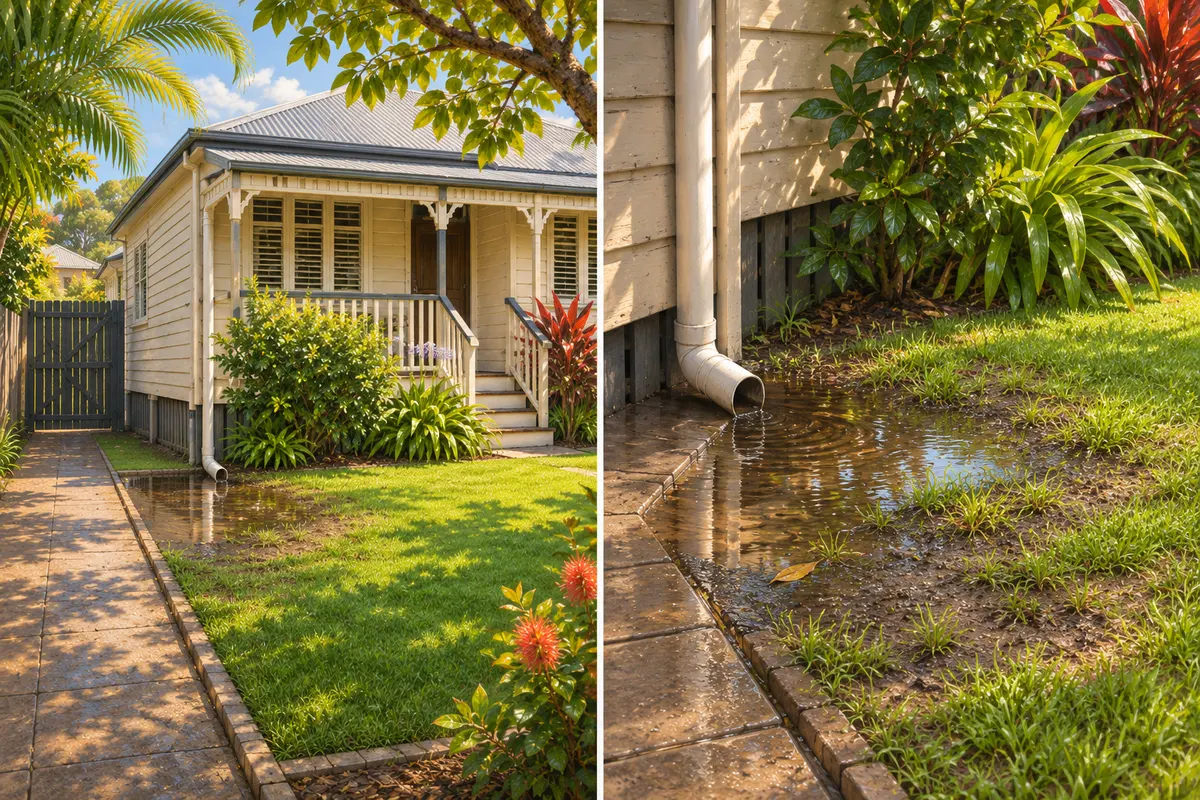
- Front: Include the path or garden edge as a fixed reference.
- Rear: Show the whole usable lawn and any section you could not complete.
- Side access: Record a damaged latch or obstruction if it affects safe access.
- Any exception: Write the date, area, condition, action taken and what you need confirmed. Send photos privately and omit faces, house numbers and access details where possible.
Example update: “Rear lawn, Tuesday: mowed the firm areas and left the soft patch beside the downpipe. Attached are a wide photo and a close-up. Can you confirm what you’d like done about the pooling water?”